
OEM vs ODM Display Modules: What Changes for the Buyer
In display sourcing the two terms are used loosely, and the difference matters more than the label: it decides who owns the design, what has to be tooled, what the minimum order is and who carries the risk when something changes. This guide uses the definitions as they apply to LCD modules and says what each means in practice when you order from us.
Written by the Junxian applications engineering team. Figures quoted for “our models” are calculated from the 103 models on this site that carry a full parameter set, so they change when the catalogue changes.
The definitions, applied to displays
OEM (original equipment manufacturer): in a display quotation, the factory builds to your design - your glass outline or segment layout, your FPC and connector, your cover glass artwork, to your drawing and specification. Confusingly, OEM also names the brand that sells the finished product, which is you if you build equipment; in sourcing it describes the manufacturing arrangement. ODM (original design manufacturer): the factory's own existing design, supplied as it is or adapted, usually under your part number and with your branding. OBM: the factory's own brand. We work in all three, and most display projects are a mix - an existing panel (ODM) with your FPC, backlight or cover glass (OEM).
What changes between the two
The practical dividing line is not the label but whether new glass has to be made. An existing design with changes to the FPC, connector, backlight, touch panel or cover glass needs no glass tooling and starts at 100 pcs. New glass - a new size, outline or segment layout - needs a mask, a sample cycle and 1,000 pcs. Samples from existing glass take 10-15 days; production runs take 10-20 days once the design is approved. Find your change in the first column below and you have your tier.
| Change | Needs tooling? | MOQ tier | What to watch |
|---|---|---|---|
| FPC length, pin order, exit direction | No | 100 pcs | Cable and layout change on your side only |
| Connector type | No | 100 pcs | Confirm mating part and pitch on the drawing |
| Backlight brightness or colour | No | 100 pcs | Affects power budget and lifetime |
| Touch panel added or changed | Sensor may need tooling | 100 pcs - 1,000 pcs | Existing sensor pattern keeps you in the lower tier |
| Cover glass outline and printing | Yes, cover glass tooling | 100 pcs | Quoted per drawing |
| Driver IC selection | No, within what the glass supports | 100 pcs | May change the init sequence in firmware |
| Smart module firmware and screen layout | No | 100 pcs | Applies to UART smart modules |
| New glass size or outline | Yes, mask | 1,000 pcs | Tooling quoted as a separate line |
| Non-rectangular or round glass | Yes, mask | 1,000 pcs | Confirm visible area against the bezel first |
| Custom segment layout | Yes, mask | 1,000 pcs | Send the layout or a photo plus a sketch |
Who owns what - agree it in writing
Three questions are worth settling before the first purchase order rather than after it: who owns the tooling for any custom glass or cover glass, and whether it may be used for other customers; who holds the design files - glass layout, FPC drawing, cover glass artwork; and what happens to your part number if a component such as the driver IC or the base panel reaches end of life. None of these is an unusual thing to ask, and asking early is the mark of a buyer who has done this before. Our quotations show tooling as its own line, separate from the unit price, so you can see what is one-off and what is per piece.
Branding an existing module
Brand-level changes on an existing module - your logo printed on the cover glass, your part number on the label, your packaging - do not touch the display glass. Printed cover glass follows the cover glass line in the table above and needs its own artwork approval; label and packaging details are agreed with the order, together with the barcode or part-number format your warehouse uses.
Which one should you ask for?
Start from an existing model whenever you can: it is faster, it avoids tooling and it gives you a panel with a production history. Move to OEM glass when the enclosure opening, a round or bar-shaped outline, a segment layout or a brightness and temperature combination genuinely cannot be met by existing glass - and budget for the extra sample cycle. The path is the same six stages either way; see our custom development process.
Make sure you are talking to the manufacturer
OEM and ODM only mean something if the company you deal with controls the production line. A trading company can offer both labels and still depend on someone else's schedule and design files. Our factory verification checklist lists what to ask for and how to check it.
Existing modules you can start an ODM project from
Published models that illustrate the point above - full specifications on each page.
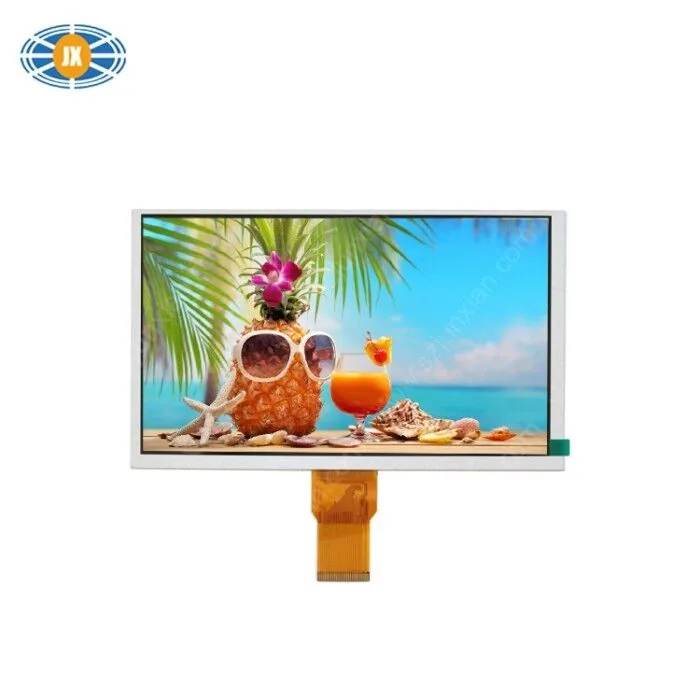
9 Inch TFT Display 1024x600 Touch Screen LCD Monitor For Industrial /
JM-PT144-00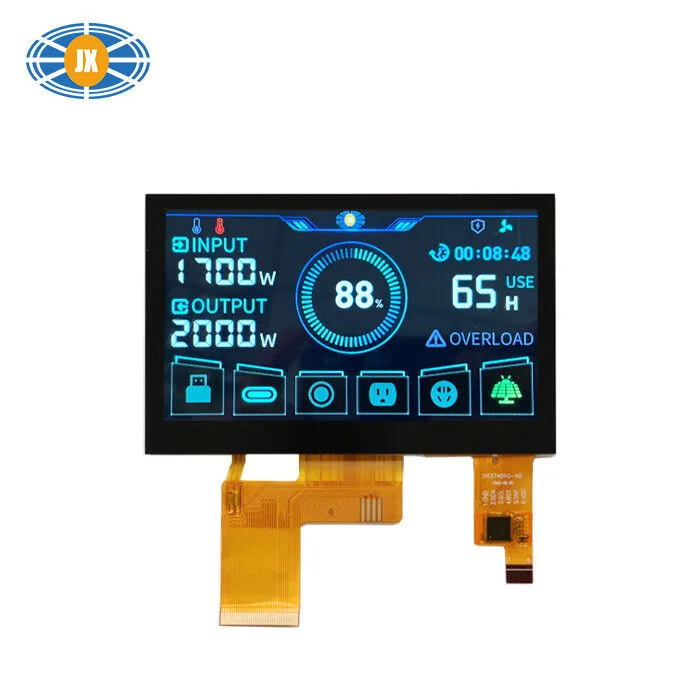
Customized TFT LCD Touch Screen 8 Bit RGB Interface 4.3 inch Capacitiv
JM-PT105-01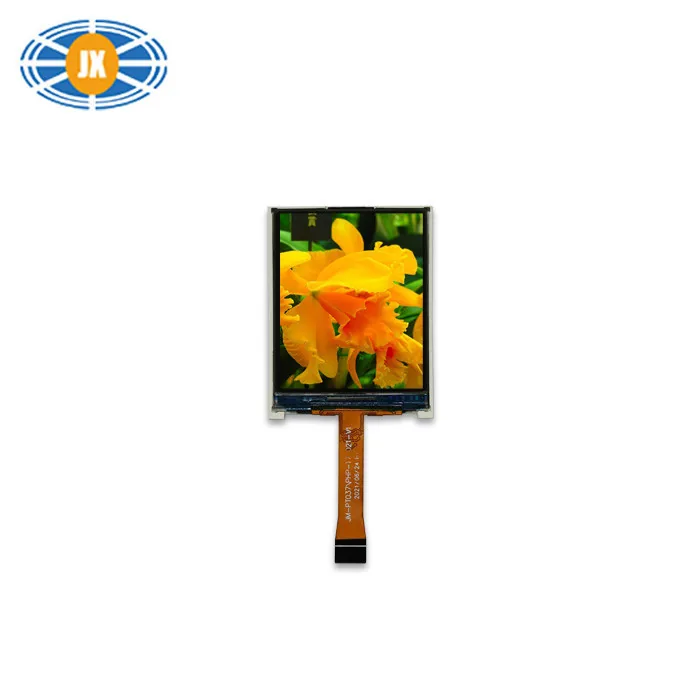
1.77 Inch TFT LCD Display 4 Bit 128×160 Pixels Color TFT Display SPI I
JM-PT037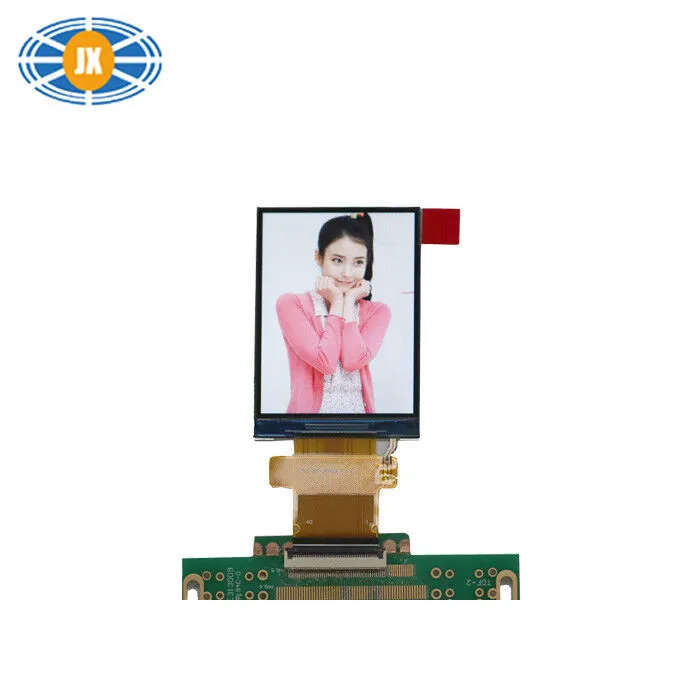
Custom 2.4 Inch TFT LCD Display 240×320 MCU Interface 350cd/m2 High Br
JM-PT090Related guides
How a Custom LCD Module Is Developed, Step by Step
Most 'custom' display projects are not custom glass at all - they are an existing panel with a different FPC, connector, backlight...
LCD Module MOQ, Lead Time and Sample Policy
Samples 5 pcs. Catalogue models 100 pcs. Fully custom tooled glass 1,000 pcs. Production lead time 10-20 days, samples 10-15 days....
How to Verify a Shenzhen LCD Display Factory Before You Order
Every supplier's website says the same things - factory direct, quality guaranteed, years of experience. None of that is verifiabl...
Questions engineers ask us about this
What is the difference between OEM and ODM, in one line?
OEM: the factory makes your design. ODM: the factory supplies its own design, adapted and branded for you. For display modules most projects combine the two.
Is ODM cheaper than OEM?
Usually, because an existing design needs no new glass tooling and runs from 100 pcs rather than 1,000 pcs. New glass carries a one-off tooling charge quoted separately from the unit price.
Can an ODM module still be modified?
Yes, within what the glass allows: FPC, connector, backlight, touch and cover glass can change without new glass tooling. Size, outline and segment layout cannot.
What is OBM?
Original brand manufacturer - a factory selling under its own brand. Junxian sells its own catalogue modules as well as building OEM and ODM parts for customers.
Need a quote or a datasheet?
Send us size, resolution, interface and annual quantity. Our engineers reply within one working day. Sample MOQ 5 pcs, lead time 10-20 days.