
Transmissive, Reflective or Transflective LCD: Which Do You Need?
An LCD makes no light of its own - it controls light that comes from somewhere else. Where that light comes from is decided by the rear polariser and reflector built into the glass: a backlight behind the panel (transmissive), the room or the sun in front of it (reflective), or both (transflective). It is one of the few display decisions that cannot be changed on a finished module, so it belongs early in the specification.
Written by the Junxian applications engineering team. Figures quoted for “our models” are calculated from the 103 models on this site that carry a full parameter set, so they change when the catalogue changes.
The three modes
Transmissive: all the light comes from the backlight, through the panel. It gives the best image indoors and in low light and is the norm for colour TFT - and it has to out-shine the ambient light reflected off the front, which is why it struggles in direct sun without high brightness and surface treatment. Reflective: a reflector behind the rear polariser sends ambient light back through the cell. No backlight, the lowest power of any display, readable in daylight and unreadable in the dark - the classic battery meter display. Transflective: a rear layer that partly reflects and partly transmits, so the display works on ambient light when it is bright and on its backlight when it is dark - the usual answer for equipment used both outdoors and indoors.
Which lighting each mode suits
| Used in | Transmissive | Reflective | Transflective |
|---|---|---|---|
| Indoor light | Best image | Readable, dim | Good, lit |
| Dark / night | Good | Needs front light | Good, lit |
| Outdoor shade | 350-450 cd/m² + anti-glare | Good | Good |
| Direct sun | 500 cd/m²+ with surface treatment | Very good | Very good |
| Battery life | Backlight always on | Lowest | Lit only when needed |
500 cd/m² is the practical floor for a transmissive panel in direct sun; anti-glare treatment or optical bonding does much of the rest.
The trade-offs you pay
Every mode is a compromise with physics. Transflective glass shares its rear layer between reflecting and transmitting, so it is neither as bright on its backlight as a transmissive panel nor as bright in daylight as a fully reflective one. Reflective glass gives up the dark entirely unless a front light is added. Transmissive gives the best picture and the highest power draw, because the backlight is on whenever the display is readable. Choose by the environment the product spends most of its hours in, not the one in the brochure photograph.
Where each mode is available
On monochrome segment and COG glass, reflective and transflective are standard build options, chosen when the glass is made, and fully transmissive glass is available for indoor, backlight-only use - see our segment LCD specification guide. On colour TFT the norm is transmissive; transflective colour panels are available in selected sizes. Ask with the size and resolution before committing the design, because this is a glass-level choice, not an add-on.
Positive and negative mode on monochrome glass
Monochrome glass also comes in positive mode (dark characters on a light background) or negative mode (light characters on a dark background). Negative mode needs the backlight to be readable, so it pairs with transmissive glass; positive mode works with reflective and transflective builds and stays readable in daylight with the backlight off. The display mode of each published monochrome model is listed on its product page.
What the mode does to battery life
On a battery product the display mode often decides runtime more than the processor does. A reflective segment display draws almost nothing beyond its driver; a transflective one adds backlight current only while the backlight is on; a transmissive panel draws backlight current all the time it is readable. Tell us the duty cycle - hours per day with the backlight on - and we will size the choice to it. The calculator in our backlight guide helps with the power numbers.
Monochrome modules - the display mode is set when the glass is made
Published models that illustrate the point above - full specifications on each page.
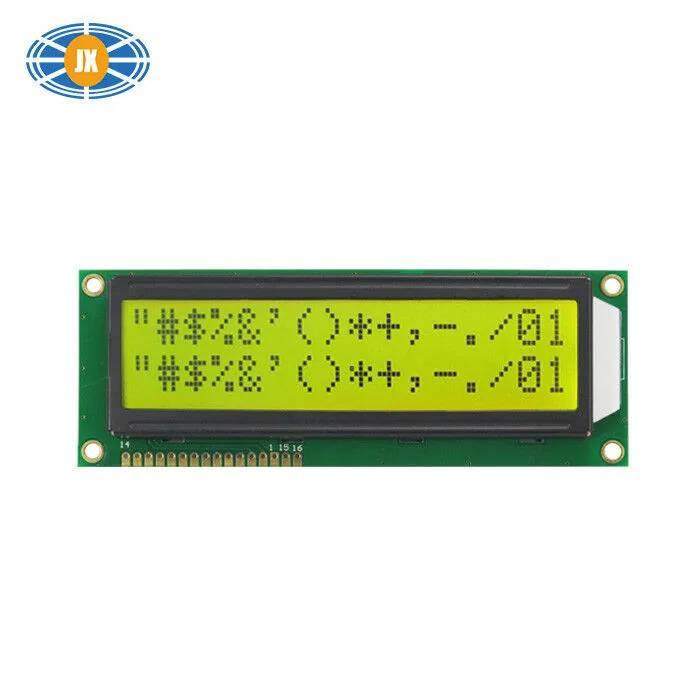
LCD 16x2 Alphanumeric Display 16 PIN Flexible LCD Modules With Multi C
JM1602M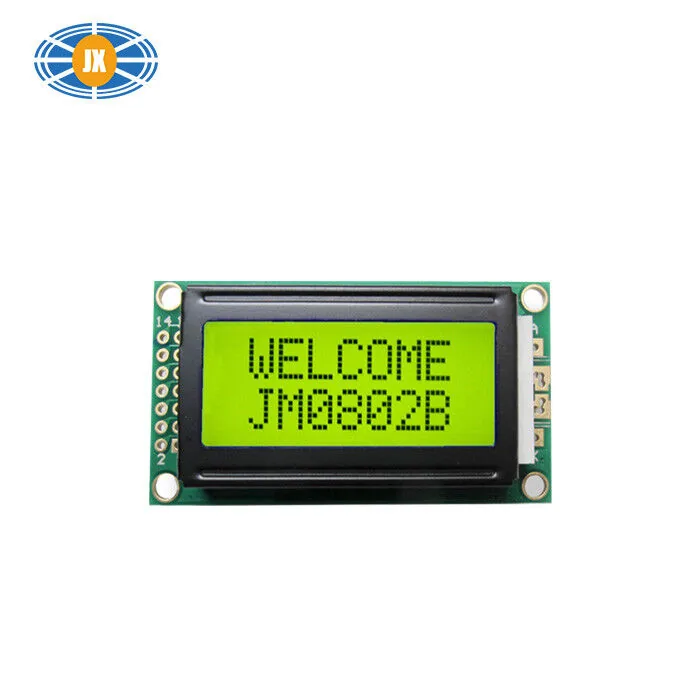
8x2 Character LCD Module ST7066 Blue Monochrome LCD Display Multiple S
JM0802B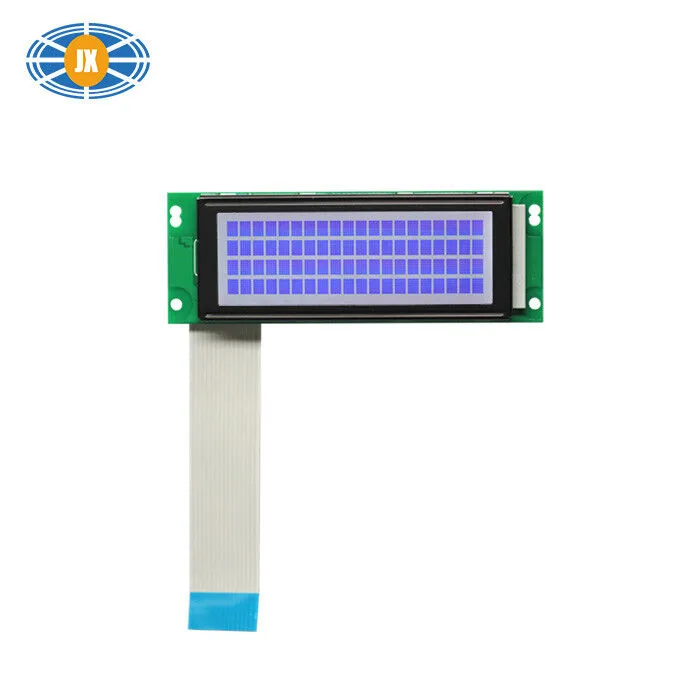
3.2 Inch Character LCD Modules High Contrast LCD Display 100cd/m2 With
JM-2004C-00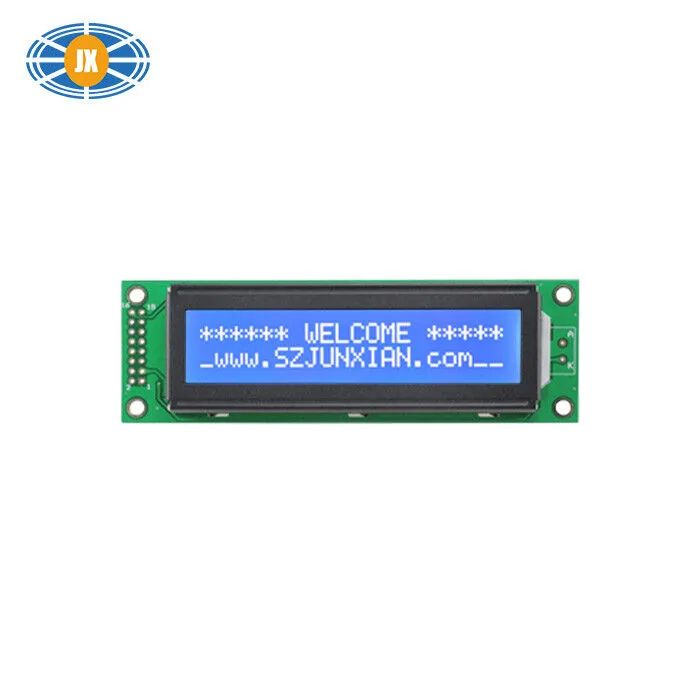
Custom 20x2 Character LCD Modules Blue Yellow Green Display With I2C/S
JM2002ARelated guides
How Many Nits Does a Sunlight-Readable Display Need?
Short answer: 200-300 cd/m² indoors, 350-450 cd/m² for shaded outdoor or a window-lit factory, and 500 cd/m² or more - or a transf...
How to Specify a Custom Segment LCD Display
Segment glass is fully custom by definition - there is no catalogue part to point at, only a layout you design and we tool. That m...
TN, IPS, VA and STN: Which Glass Mode Should You Specify?
Glass mode decides how the display looks from where the operator actually stands. IPS holds colour and contrast off-axis and is th...
Questions engineers ask us about this
Is transflective the same as sunlight-readable?
Transflective is one way to be sunlight-readable - it uses the sun instead of fighting it. The other way is a bright transmissive panel, 500 cd/m² and up, with an anti-glare surface or optical bonding. Transflective uses far less power in bright light; a bright transmissive panel gives the better image indoors.
Can a transmissive module be converted to transflective later?
No. The rear polariser and reflector are laminated when the glass is made, so the mode cannot be changed on a finished module.
Why do reflective displays look grey rather than white?
The background is ambient light reflected back through two polarisers, which absorb much of it, so a reflective display is inherently mid-grey rather than paper white. Contrast, not brightness, is what makes it readable.
Do you make colour transflective TFTs?
In selected sizes. Ask with the size and resolution - availability depends on the glass.
Need a quote or a datasheet?
Send us size, resolution, interface and annual quantity. Our engineers reply within one working day. Sample MOQ 5 pcs, lead time 10-20 days.